The Sewage Works That Sold the Plots
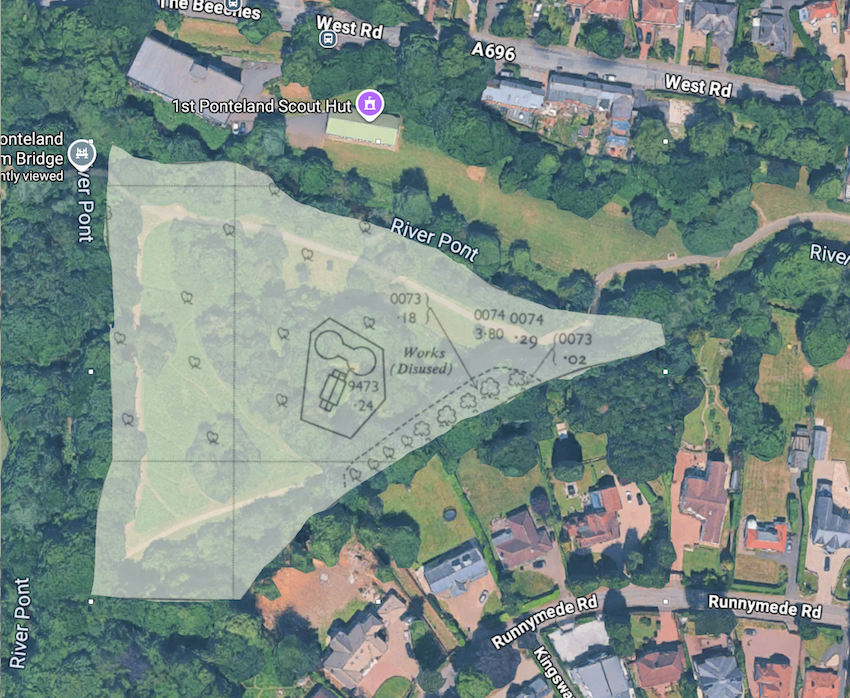
One of the selling points of the initial plots of land on the Darras Hall Estate when they were offered for sale in 1911 was that each plot was provided with the essential infrastructure of access to a road and a sewerage pipe. The estate however was on the wrong side of the river to be connected to the Ponteland mains system which had only being installed a few years earlier. By 1914, the population of Darras Hall was only 62, so the situation was not urgent, the estate was expected to grow rapidly and a plan was drawn between the council and the estate for it to have its own sewage works however the First Word War intervened and all non-essential work was put on hold.
Sewage Works — audio guide
After the war ended in 1918 the proposal was revived. The initial development of Darras Hall was much slower than expected and it is not clear when the sewage treatment plan was eventually built but it is shown on a map dating from around 1940 and there is a reference to a new sewerage scheme in Ponteland in 1930 which may have related to this.
By the 1950’s however the estate was expanding rapidly and the sewage system was struggling to cope. There were numerous outfalls into the surrounding houses during storms dumping raw sewage into their homes and gardens. As these were some of the most expensive houses in Northumberland, you can imagine the outcry.
A new comprehensive sewerage scheme covering both Darras Hall and the rest of Ponteland was implement in 1958 centered on a new pumping station down Eland Lane and the facilities here were closed down.
This left the plant and the surrounding riverside site vacant. The local authority were keen to acquire the site to redevelop it as a riverside park but the Darras Hall Estate Committee strongly objected to the proposal. The local authority eventually prevailed and the site is now incorporated into Ponteland Park.