From Ponteland Mill to Mill Rise
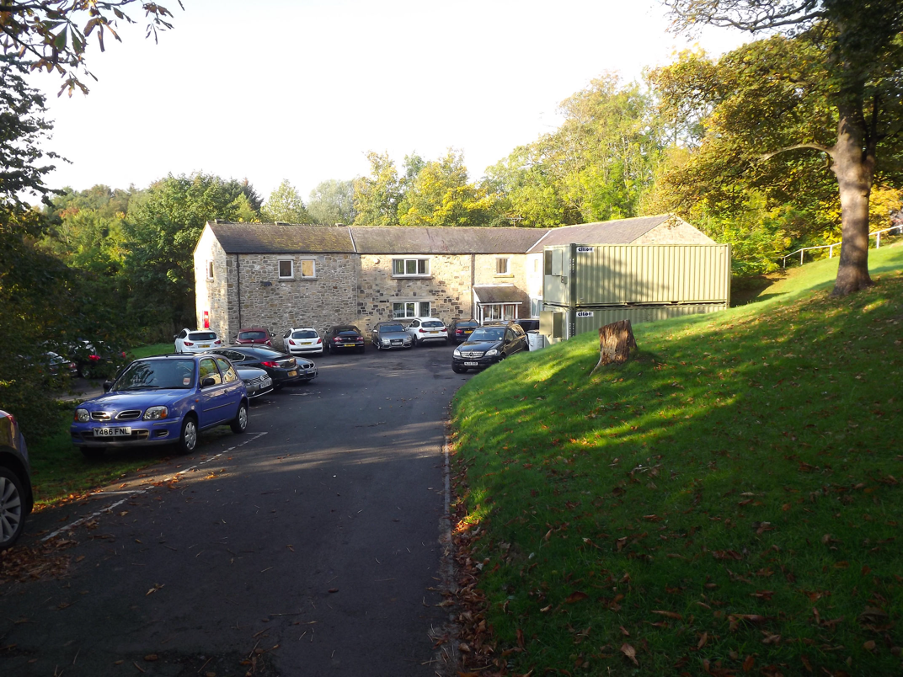
For centuries, watermills were essential to rural life, and Ponteland was no exception. In medieval England, mills were vital because they ground grain into flour, the staple of the diet. They saved time and labour compared with hand-grinding, and they generated income for the local lord, who usually controlled milling rights. A community without a mill struggled to sustain itself; one with a mill could feed its people efficiently. Medieval records describe watermills in Ponteland from the 13th to 15th centuries, showing how long the area relied on water power, though these early mills cannot be directly tied to the later Mill House site.
Ponteland Mill — audio guide
The first firm evidence for a mill at the Mill Rise location appears around 1800, when estate plans show a T-shaped watermill and mill race beside the River Pont. By 1802 it was known as Ponteland Mill Farm, operated by Robert Reed and later by the Stobert family, who ran the mill for much of the 19th century. The Stoberts went on to become pillars of the Methodist Church in Ponteland.
The mill was rebuilt in 1828, creating the stone-built range that survived into modern times. Mid-19th-century maps show the classic features of a working corn mill: a mill pond, a sluice, the race, and a wheel housed within the building.
The mill continued in use until the early 20th century, when water power fell out of favour. By 1916, the mill pond had disappeared, the race was being culverted, and the building was labelled “Mill Houses,” marking its conversion to non-industrial use. Over the late 20th century, extensions and internal alterations—eventually including its use as offices—removed most visible traces of its milling past.
In the early 2010s, the heavily altered buildings were demolished to make way for new housing. Although nothing remains above ground today, the site reflects a long tradition: from medieval dependence on water power to the later agricultural economy of Ponteland, and finally to the modern suburban landscape that replaced it.