Dunsgreen: A 1960s Wimpey Estate
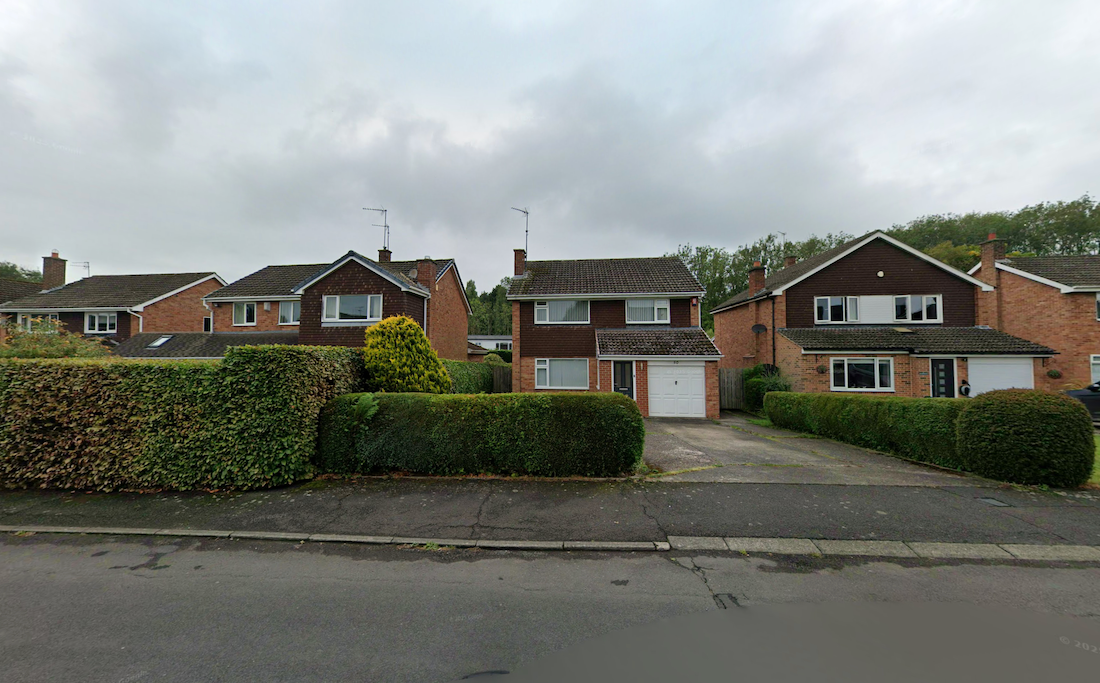
One of the major building companies which was transforming Ponteland in the post-war era of the 1950’s and 1960’s was George Wimpey, that later became Taylor Wimpey. They built hundreds of houses at three main green-field sites, starting with Ridgely at the end of the 1950’s at the eastern end of the village, then the Ladywell estate at the west, and then here to the south at Dunsgreen.
Dunsgreen — audio guide
Prior to building work beginning in 1964, these were open fields farmed by Low House Farm which stood on the opposite side of Callerton Lane. It is marked on early maps as “Glebe” land, meaning it was owned by the church authorities. The lane was the boundary on the eastern side and a ditch which formed the boundary of Darras Hall estate on the western side. At the southern end of the site were ten 1930’s bungalows running along the side of the lane.
In the mid-1960’s, Wimpey’s was pioneering this type of housing estates on the outskirts of established communities and was one of the largest building companies in Britain. This was one of the 150 estates they were building at this time with an output of 8,000 private homes per year. They worked hand-in-hand with local authorities to build council houses also, supplying 17,450 in 1965 alone. And with their private estates they worked closely with local councils to ensure that the new estates were close to schools, open spaces and other local amenities.
The building company standardised many of their building processes and materials to achieve economies of scale in the construction work but were one of the first to offer their buyers different templates of houses to avoid all the houses on an estate looking the same. The 1960’s also saw the popularisation of central heating and the buyers could choose whether they wanted this to be gas, electricity or solid fuel.
Wimpey’s were very explicit when these houses came onto the market. They were “adjacent to but not part of Darras Hall”. This was in contrast to Meadow Court which was built slightly later which was part of Darras Hall.